
Have you ever heard the term “New Year, New Me” and wondered what it means? Have you ever considered why New Year’s Eve is such a popular holiday? The start of the new year is seen as an opportunity to start fresh with new habits, new hobbies, or a new style. Each New Year’s Day marks the beginning of millions of transformations around the world. But, why that day? Why not a special milestone such as graduation, your birthday, Christmas, or even a random Wednesday in July? The truth is that New Year’s Day is a perfect day to wipe your slate clean. Whether it is the first day of your new gym progress or studying habits, the beginning of 2026 provides a set start date for ambitious resolutions.
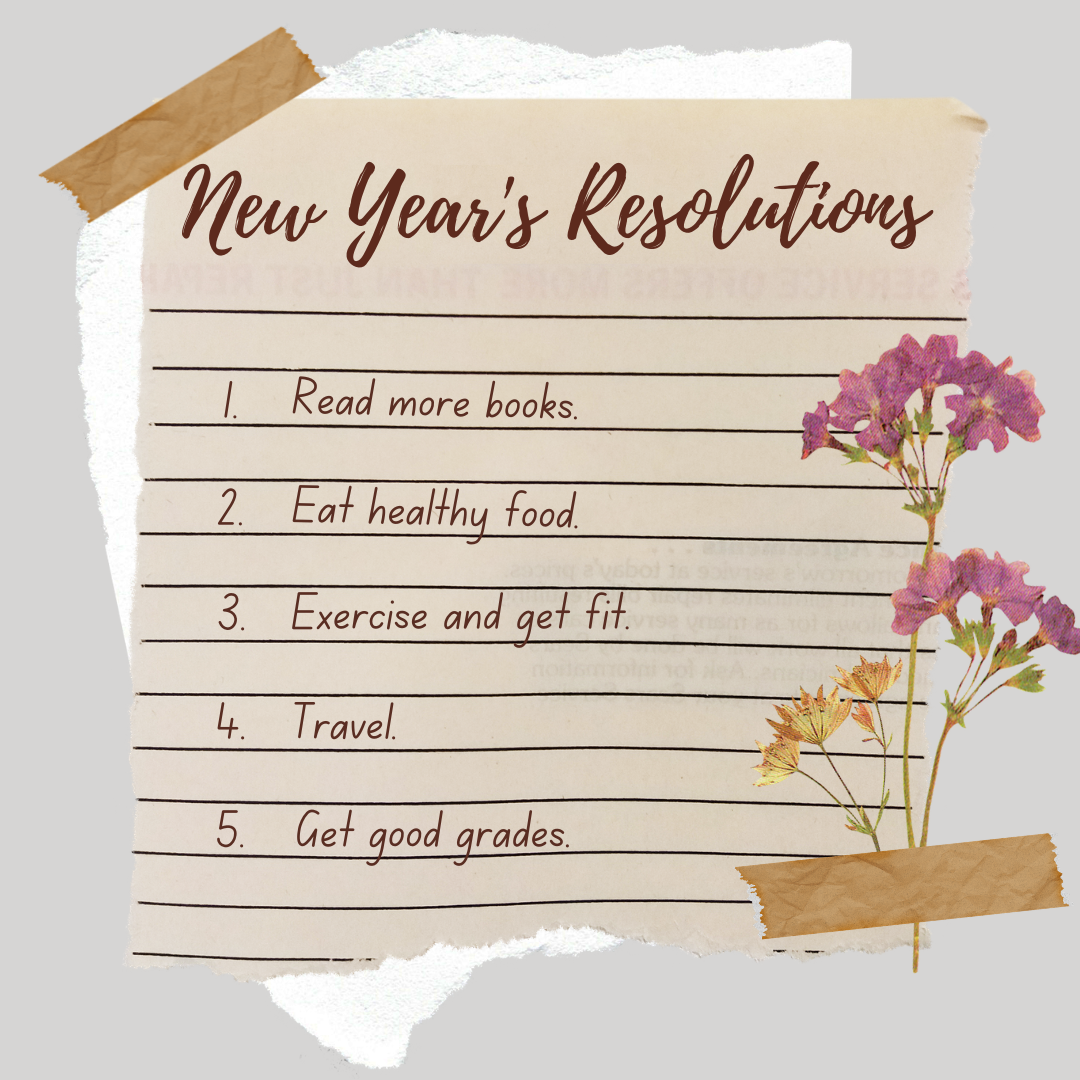
New Year’s resolutions are a popular tradition where people set goals or make promises to improve themselves or their lives in the coming year. These resolutions often focus on areas like health, personal growth, relationships, or habits. The idea is to start fresh with a positive mindset and work toward meaningful changes. Many people choose resolutions such as exercising more, eating healthier, quitting smoking, or learning new skills. Others might focus on mental well-being, like reducing stress, practicing mindfulness, or spending more quality time with family and friends. The start of a new year feels like a natural opportunity to reflect on the past and plan for a better future.
Students at Lincoln Way West shared their resolutions for the new year, many of which included lowering screentime and planning more hangouts with friends. Sophomore Annabelle Fazekas wishes to lower her TikTok screentime, while sophomore Abigail Rickey wants to work on her sleep schedule. Some Lincoln Way West students had more personal resolutions, such as sophomore Kaitlyn Goldstein claiming she wishes to work on her patience throughout the year. West students have some wonderful resolutions; however, maintaining those resolutions is easier said than done.
The belief of resolutions becoming a burden is proven true by Strava, a fitness app that coined the term “Quitters Day” in 2019. (Quitters Day (2026) – Holiday Today ) Quitters Day falls on the second Friday of January and represents the point in time when the app sees declining fitness data worldwide due to abandoned resolutions. In fact, sixty-four percent of New Year’s resolutions are ditched after one month. That means that only one third of people remain consistent with their resolutions for the new year. Studies show that most resolutions are repeated or “workshopped” to be slightly different than ones made in prior years. The most common goal people make for the new year is to exercise and diet more frequently. Similar to other common resolutions, they lack specificity. It is much easier to lose interest in a resolve when there are no specifics holding you back. Those who remain consistent with their resolutions purposefully word them so that they include how often, how long, and/or how much they will do something.
In attempts to combat failed resolutions, many people online have found many simple ways to maintain motivation throughout the year. Duke Health (From Goals to Habits: 6 Expert Tips to Make New Year’s Resolutions Stick | Duke Health ) suggests finding small ways to start your goals to stay focused throughout the year. The website also recommends planning to prevent setbacks but tells readers not to get discouraged when keeping habits becomes hard. Lots of pressure may be felt to keep resolutions and follow them perfectly, but maintaining resolutions becomes easier when you give yourself grace.
Yet, no matter how many studies are made, no matter how much credited officials advise others on how to better their resolutions, the goals remain fully personal. Every person has their own opinions on resolutions. Some think that they serve no purpose while others are completely committed to fulfilling their resolves. Regardless, going into a new year with expectations for yourself can be a great benefit for anybody!
While making resolutions can be motivating, success often depends on setting realistic and specific goals, creating a plan, and staying committed. Breaking big goals into smaller, manageable steps can help maintain progress. It’s also important to be kind to yourself if setbacks happen and to keep trying. Ultimately, New Year’s resolutions are about growth and self-improvement, encouraging people to become the best version of themselves.
Warriors, resolutions are a fun and easy way to set new goals for yourself. This year, try a new academic club or sit at a new lunch table. You never know what the new year might bring!
Additional Sources: psychnewsdaily.com