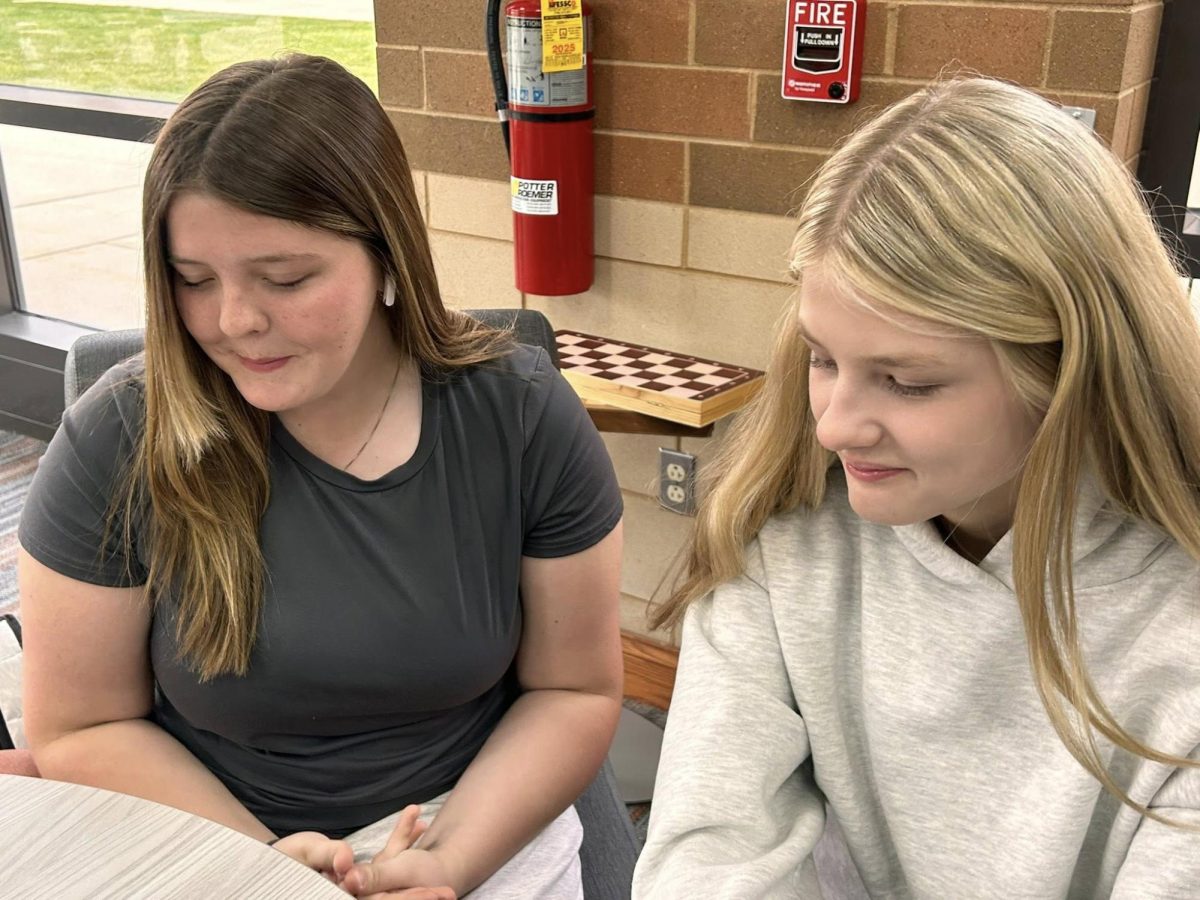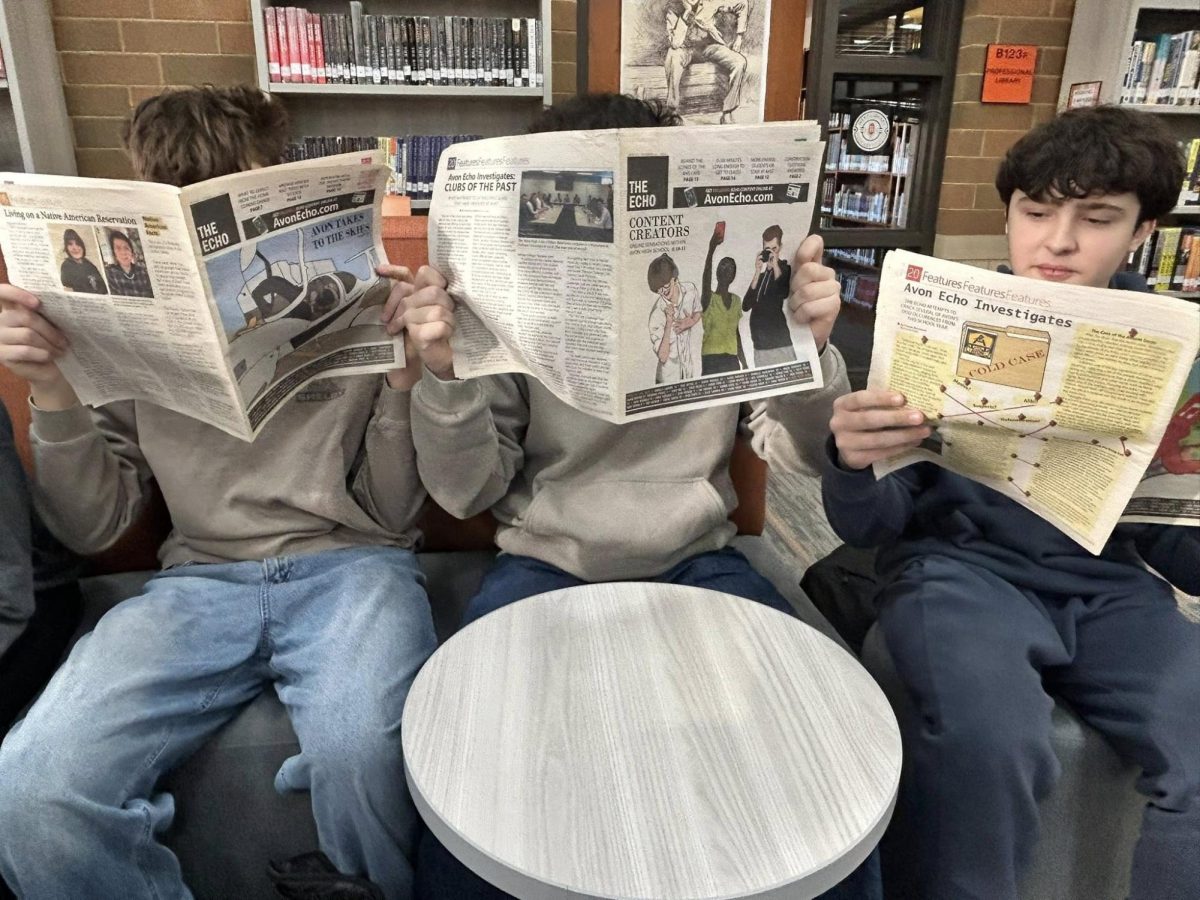
The COVID-19 pandemic changed many parts of daily life, but one of the biggest changes was how people communicate. Before the pandemic, most communication happened face-to-face at school, work, and social events. When lockdowns and social distancing began, people had to quickly adjust to new ways of staying connected. As a result, communication since COVID-19 has become more digital, more flexible, and sometimes more challenging.
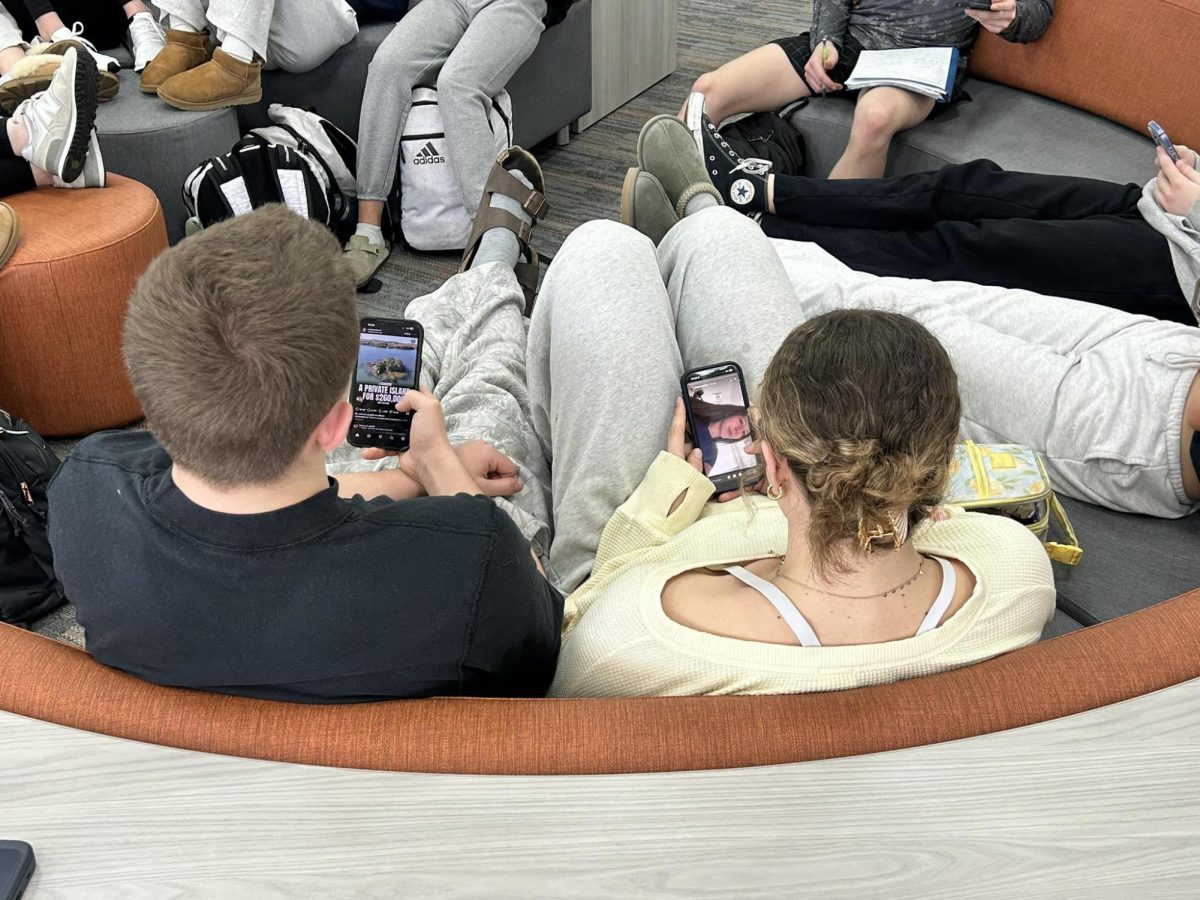
One major change in communication has been the increased use of technology. Video calls, texting, emails, and social media became essential tools for staying in touch. Schools moved to online learning, families used video chats to see relatives, and businesses relied on virtual meetings. These tools allowed communication to continue even when people could not be together physically. Because of this, many people became more comfortable using technology and learned new communication skills.
However, communicating online is not the same as communicating in person. Without body language, facial expressions, or tone of voice, messages can be misunderstood. Many people experienced feelings of isolation because digital communication can feel less personal. Students often struggled to stay engaged in virtual classrooms, and friendships were harder to maintain without face-to-face interaction. These challenges showed how important in-person communication is for emotional connection.
At the same time, the pandemic helped people become more open about their feelings. Conversations about mental health became more common, and people learned the importance of checking in on one another. Communication became more intentional, with people making an effort to reach out and support friends, family, and coworkers. This shift helped strengthen some relationships despite physical distance.
In conclusion, communication since COVID-19 has changed in lasting ways. Technology now plays a bigger role in how people connect, offering both convenience and challenges. While digital communication cannot fully replace in-person interaction, it has expanded how people share ideas and support one another. The pandemic showed that communication is essential, and adapting how we communicate helps people stay connected during difficult times.